

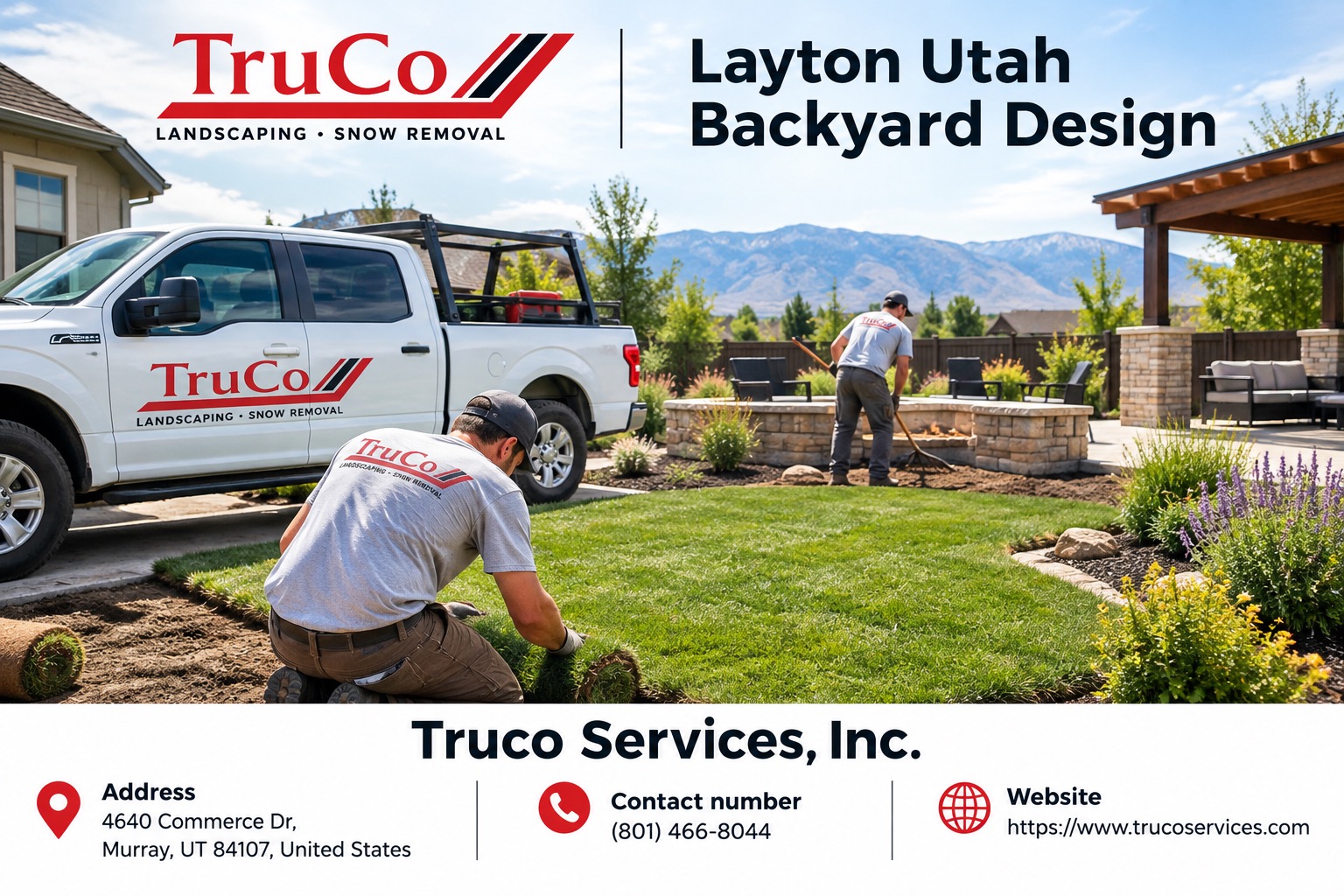
Layton Utah Backyard Design: Transform Your Outdoor Space with Truco Services, Inc.
A beautifully designed backyard can transform an ordinary property into a welcoming outdoor retreat where homeowners can relax, entertain guests, spend time with family, and enjoy Utah’s natural beauty. For homeowners searching for Layton Utah Backyard Design, creating a functional, attractive, and sustainable outdoor living space starts with a thoughtful plan that reflects their lifestyle, property layout, and long-term goals.
In Layton, Utah, backyard design requires more than selecting attractive plants and installing a patio. Homeowners must consider the region’s changing seasons, hot and dry summers, cold winters, soil conditions, irrigation needs, drainage, and the amount of sunlight their property receives. A successful design brings all these elements together to create an outdoor environment that looks beautiful while remaining practical and manageable throughout the year.
Truco Services, Inc. provides landscaping and outdoor improvement services that can help homeowners turn their backyard ideas into a cohesive landscape. Whether you envision a peaceful garden, a modern patio, a family-friendly lawn, or an inviting entertainment area, professional planning can help you make the most of your outdoor space.
This comprehensive guide explores backyard design ideas, essential planning considerations, landscaping features, maintenance strategies, and the benefits of working with an experienced landscaping company.
Understanding Backyard Design in Layton, Utah
Backyard design is the process of planning and arranging outdoor features to create a balanced, attractive, and functional environment. It involves combining hardscape elements, plants, lawn areas, lighting, irrigation, and recreational features into a unified design.
For Layton homeowners, an effective backyard design should complement the architecture of the home while responding to the local climate and the property’s natural characteristics.
A well-designed backyard can include:
-
Patios and outdoor seating areas.
-
Custom walkways and garden paths.
-
Trees, shrubs, and decorative planting beds.
-
Natural grass or alternative ground covers.
-
Outdoor kitchens and dining spaces.
-
Fire pits and gathering areas.
-
Garden walls, edging, and decorative stonework.
-
Landscape lighting for safety and ambiance.
-
Water-efficient irrigation systems.
-
Privacy landscaping and shaded retreats.
-
Play areas and open spaces for family activities.
The best design does not necessarily include every feature. Instead, it prioritizes the elements that matter most to the homeowner and arranges them in a way that makes the backyard comfortable, cohesive, and easy to use.
Professional backyard design also helps homeowners avoid common mistakes, such as placing a patio in an inconvenient location, selecting plants that outgrow their spaces, or installing landscaping features without accounting for drainage.
If you need related articles, see the following:
Layton Utah Garden Landscaping
Layton Utah Landscape Designer
Why Backyard Design Matters for Layton Homeowners
Your backyard is an extension of your home. With the right design, it can become one of the most valuable and enjoyable parts of your property.
Create More Usable Outdoor Living Space
A backyard may have plenty of square footage but still feel underused if it lacks a clear layout. Professional design divides the available space into purposeful areas, making it easier to enjoy the property.
For example, a patio near the house can serve as an outdoor dining room, while a quieter corner of the yard can become a reading garden. A lawn or open area can provide room for children, pets, and recreational activities.
Separating these functions creates a backyard that feels organized without making the space appear crowded.
Improve the Appearance of Your Property
Thoughtful landscaping enhances the visual character of a home. Trees, shrubs, flowers, stone pathways, and well-designed outdoor structures can complement the house and create a more welcoming atmosphere.
A cohesive design considers colors, textures, heights, shapes, and the relationship between the home and the surrounding landscape. Repeating certain materials or plant varieties throughout the yard can help the entire property feel connected.
Support Outdoor Entertainment
Layton homeowners can enjoy their backyards for family gatherings, summer meals, birthday celebrations, and casual evenings with friends.
Features such as patios, comfortable seating, outdoor dining tables, fire pits, and landscape lighting can make hosting guests easier. A well-planned layout also provides enough room for people to move around without interfering with cooking, dining, or relaxation areas.
Increase Property Appeal
A maintained and thoughtfully designed landscape can improve a home’s curb appeal and the overall impression it makes on visitors and prospective buyers.
Although landscaping does not guarantee a particular increase in property value, functional outdoor living spaces and healthy plantings can make a property more attractive to potential buyers.
Make Yard Maintenance More Manageable
Backyard design can also reduce unnecessary maintenance. Choosing plants suited to the local climate, grouping plants with similar watering requirements, using mulch in planting beds, and planning efficient irrigation can simplify ongoing care.
The objective is not always to eliminate maintenance. It is to create a landscape that is realistic for the homeowner’s available time, budget, and gardening preferences.
Popular Backyard Design Ideas for Layton, Utah
The most successful backyard designs combine visual appeal with practical features that fit the homeowner’s lifestyle. Here are several ideas to consider when planning a backyard transformation in Layton.
1. Modern Backyard Design
Modern backyard design emphasizes clean lines, simple shapes, carefully selected materials, and uncluttered spaces. This style can complement contemporary homes and give older properties a refreshed appearance.
Popular elements include:
-
Geometric patios and walkways.
-
Neutral-colored pavers and decorative stone.
-
Simple planting beds with ornamental grasses.
-
Structured shrubs and strategically placed trees.
-
Minimalist outdoor furniture.
-
Subtle landscape lighting.
A modern design works best when every feature serves a purpose. Limiting the number of materials and repeating selected plants can create a sophisticated appearance without making the backyard feel overly complicated.
2. Backyard Patio Design
A patio can become the central gathering point of an outdoor living space. It provides a stable surface for outdoor furniture, dining, and entertaining while connecting the house to the garden.
Common patio materials include concrete, concrete pavers, natural stone, and other outdoor-rated paving products. Each offers different advantages in appearance, installation requirements, maintenance, and cost.
When planning a patio, consider its size, position relative to the house, sun exposure, drainage, and access to the kitchen or dining area. A patio that is too small may limit furniture arrangements, while an oversized patio can reduce space available for planting and recreation.
For homeowners who entertain frequently, separate dining and lounge areas may improve functionality. A smaller property may benefit from one multipurpose patio instead.
3. Family-Friendly Backyard Landscaping
Families often need a backyard that accommodates several activities without feeling disorganized.
A family-friendly design may include an open lawn, shaded seating, safe walking routes, and a designated play area. Parents may prefer to position seating where children can be observed easily, while keeping active play away from cooking equipment, fire features, and fragile garden beds.
Consider durable materials, clear pathways, appropriate fencing where needed, and plants that are suitable for the intended use of the yard. If pets use the space, discuss durable ground covers, secure boundaries, and plants that are safe for them.
The goal is to create a backyard that supports everyday activities while maintaining an attractive appearance.
4. Low-Maintenance Backyard Design
Not every homeowner wants to spend weekends mowing, pruning, weeding, and managing extensive planting beds. A low-maintenance design reduces unnecessary work by making deliberate choices at the planning stage.
Potential features include:
-
Appropriately sized lawn areas.
-
Mulched planting beds.
-
Decorative gravel or stone in suitable locations.
-
Slow-growing shrubs and climate-appropriate perennials.
-
Efficient irrigation systems.
-
Durable paving materials.
-
Well-defined edges that simplify mowing and maintenance.
Low-maintenance landscaping does not mean maintenance-free landscaping. Plants still require appropriate watering, pruning, and occasional replacement. However, a carefully designed layout can reduce the amount of recurring work.
5. Water-Wise Backyard Landscaping
Water-conscious landscaping is particularly relevant in Utah, where irrigation demand rises during the hot summer months.
A water-wise backyard can use plants adapted to local conditions, strategically placed shade trees, drip irrigation for suitable planting beds, and mulch to help conserve soil moisture.
Decorative rock can complement planting areas, but covering the entire backyard with rock is not always the best solution. Plant selection, soil health, heat reflection, and the intended use of the space should all be considered.
Homeowners who prefer a green lawn can still incorporate water-saving principles by choosing an appropriate lawn area, maintaining irrigation equipment, and watering according to seasonal needs and local restrictions.
6. Backyard Gardens and Planting Beds
Garden beds add color, texture, seasonal interest, and a natural transition between hardscape areas and open lawn.
A well-planned garden can include evergreen shrubs for year-round structure, flowering perennials for seasonal color, ornamental grasses for movement, and trees for shade and scale.
Plant selection should account for mature size, sun exposure, soil conditions, water requirements, and winter hardiness. Placing plants according to their expected growth prevents overcrowding and reduces the need for frequent relocation or aggressive pruning.
Raised garden beds can also be incorporated for vegetables, herbs, or flowers when the available space and sunlight are appropriate.
7. Backyard Fire Pits and Outdoor Gathering Areas
A fire pit can create an inviting destination for cool evenings and family gatherings. Depending on the property, it may be incorporated into a patio or positioned in a separate seating area.
Important considerations include clearance from buildings and combustible materials, local fire regulations, appropriate fuel sources, ventilation, and safe access. Permanent gas installations should be completed by qualified professionals where required.
Seating should allow comfortable movement around the gathering area, while lighting and pathways help people navigate the backyard after dark.
8. Backyard Privacy Landscaping
Privacy is another common goal for homeowners who want a more secluded outdoor retreat.
Trees, shrubs, hedges, screens, and carefully positioned pergolas can help define boundaries and soften views of neighboring properties. Layering plants of different heights may create a more natural appearance than relying on a single continuous row.
Before planting, consider property boundaries, utility lines, mature plant sizes, sunlight, and the effect of dense vegetation on airflow and visibility. Privacy landscaping should also preserve necessary access and avoid obstructing drainage routes.
Planning a Successful Layton Utah Backyard Design
A beautiful backyard starts with a practical plan. Before selecting plants or purchasing materials, evaluate the property and establish the priorities for the project.
Step 1: Assess the Existing Yard
Begin by examining the backyard’s dimensions, slope, existing trees, soil conditions, sunlight, drainage patterns, and access points.
Identify areas where water collects after rain or irrigation, locations where grass struggles, and places that receive excessive afternoon sun. Existing trees and structures may provide useful shade or create constraints that influence the design.
It is also important to locate underground utilities before digging and to understand any applicable property restrictions or homeowners association requirements.
Step 2: Determine How You Want to Use the Space
Think about the activities your backyard should support.
Do you want a peaceful retreat, a large entertainment area, a garden, an outdoor dining space, a place for children to play, or a combination of several functions?
Rank these priorities so the most important features receive sufficient space and budget. This also helps prevent unnecessary additions that make the yard harder to maintain.
Step 3: Establish a Realistic Budget
Backyard projects vary considerably in price according to their size, materials, grading requirements, labor, and complexity.
A basic landscape refresh may involve planting beds, mulch, and modest lawn improvements. A full transformation could include excavation, retaining walls, a large patio, irrigation, outdoor lighting, extensive planting, and built-in entertainment features.
When preparing a budget, account for site preparation, materials, installation, irrigation adjustments, cleanup, and future maintenance. It is also sensible to reserve a contingency for unexpected site conditions.
Obtaining an itemized estimate makes it easier to compare proposals and determine which improvements offer the greatest practical value.
Step 4: Create a Layout
A layout identifies where each feature will be placed and how people will move between them.
For example, a backyard might feature a patio near the back door, an open lawn in the center, planting beds along the perimeter, and a shaded seating area in a quiet corner.
Pathways should connect destinations naturally. The layout should also preserve access to gates, sheds, utility equipment, and other parts of the property that need regular attention.
A complete master plan is useful even if the work will be completed in phases. It helps ensure that future improvements fit the overall design instead of creating expensive conflicts later.
Step 5: Select Materials and Plants
Choose materials that complement the home and can withstand outdoor conditions. Consider slip resistance, durability, freeze-thaw performance, maintenance requirements, and how different materials look together.
Plants should be selected for their suitability to the site rather than appearance alone. A plant that looks excellent in a nursery may struggle when exposed to intense afternoon sun, dry soil, or winter conditions that exceed its tolerance.
A balanced combination of trees, shrubs, perennials, ground covers, and hardscape materials can provide year-round structure without requiring excessive variety.
Step 6: Plan Irrigation and Drainage
Water management should be addressed before the final planting and hardscape installation.
The landscape should direct surface water away from the home’s foundation and toward appropriate drainage areas. Patio grading, retaining walls, downspouts, and irrigation systems all influence how water moves through the property.
Irrigation zones should reflect the needs of the plants they serve. Lawn areas and garden beds may require different watering methods, while drip irrigation can be appropriate for many shrubs and planting beds.
Never assume that adding more gravel or soil will automatically solve a drainage problem. Persistent pooling, erosion, or water near the foundation may require a more detailed assessment.
Step 7: Plan for Seasonal Changes
Layton experiences distinct seasons, so the landscape should be designed for more than a few weeks of summer enjoyment.
Evergreen plants can provide structure during winter, while deciduous trees offer shade in summer and allow more sunlight through in colder months. Perennials and ornamental grasses can add seasonal color and texture when chosen for the site’s conditions.
Planning for winter snow, spring growth, summer irrigation, and autumn cleanup helps create a backyard that remains attractive and functional throughout the year.
Essential Features to Consider in Backyard Design
Hardscaping and Retaining Walls
Hardscaping includes the nonliving elements of a landscape, such as patios, walkways, steps, retaining walls, and paved gathering areas. These features provide structure and make the backyard easier to navigate.
On sloped properties, retaining walls and carefully planned grading can help establish usable areas. However, wall design must account for soil pressure, drainage, wall height, and any applicable engineering or permitting requirements.
Combining hardscape features with planting beds can soften the appearance of stone and concrete, creating a more natural transition between built structures and greenery.
Pergolas and Shade Structures
Shade can make an outdoor space more comfortable during hot summer afternoons. Pergolas, covered patios, and strategically positioned trees can help reduce direct sun exposure over seating and dining areas.
When choosing a structure, consider its size, orientation, materials, maintenance needs, and relationship to the home. Also check applicable building codes and permit requirements before construction.
Outdoor Lighting
Outdoor lighting extends the usefulness of a backyard into the evening while improving visibility along walkways, steps, and entrances.
Popular lighting options include pathway lights, accent lighting for trees, patio lighting, and illumination around seating areas. A layered approach can make the yard feel inviting without overwhelming it with excessive brightness.
Energy-efficient LED fixtures and properly positioned lights can provide attractive illumination while keeping energy use manageable. Fixtures should be suitable for outdoor conditions and installed in accordance with applicable electrical requirements.
Lawn Installation and Ground Covers
A green lawn remains a popular feature for families, pets, and outdoor recreation. However, lawn size should reflect how the space will actually be used.
Reducing unused lawn areas can free space for gardens, patios, or other features while potentially lowering irrigation and mowing requirements.
Alternative ground covers may also work in specific parts of the yard, depending on foot traffic, sunlight, soil conditions, and maintenance expectations. Each option should be evaluated for its suitability rather than selected solely for appearance.
How to Make Backyard Design More Sustainable
Sustainability should be part of the design from the beginning rather than an afterthought.
For homeowners in Layton, sustainable landscaping can involve choosing climate-appropriate plants, improving irrigation efficiency, protecting soil, and minimizing unnecessary maintenance.
Consider these strategies:
-
Choose suitable plants: Select species that tolerate the site’s sunlight, soil, and winter conditions.
-
Group plants by water needs: Organize irrigation zones around plants with similar watering requirements.
-
Use mulch appropriately: Mulch can help reduce evaporation, moderate soil temperatures, and suppress weeds.
-
Preserve useful trees: Healthy existing trees may provide shade, privacy, and established character.
-
Improve irrigation efficiency: Check for leaks, adjust sprinkler coverage, and avoid watering paved areas.
-
Reduce unnecessary lawn: Retain functional grass areas while using other landscape treatments where appropriate.
-
Plan for mature growth: Provide adequate room for roots, branches, and plant canopies.
Native plants and other regionally adapted species can be valuable components of a water-wise design. However, even drought-tolerant plants require appropriate establishment watering, and their long-term needs depend on the planting location.
A sustainable backyard should balance environmental considerations with the homeowner’s desired appearance, recreational needs, and maintenance preferences.
Common Backyard Design Mistakes to Avoid
Even attractive individual features can produce disappointing results if the overall design is poorly planned.
Ignoring Drainage
Water pooling near a patio or foundation can cause ongoing problems. Establish appropriate grading and drainage before installing finished landscaping materials.
Choosing Plants Without Considering Mature Size
Small nursery plants can grow substantially over time. Planting them too close to buildings, fences, walkways, or one another may lead to overcrowding and expensive corrective work.
Installing Features Without a Unified Plan
A patio, fire pit, lawn, and garden may each look appealing independently, but they need to work together. A coordinated layout prevents awkward transitions and inefficient use of space.
Underestimating Maintenance
Elaborate gardens, large lawns, and extensive planting beds require ongoing care. Choose features that match the amount of time and money you can realistically devote to maintenance.
Overlooking Lighting and Accessibility
A beautiful backyard can become inconvenient after dark if pathways are poorly lit or access routes are difficult to navigate. Plan lighting, steps, pathways, and entrances alongside the rest of the design.
Spending the Entire Budget on Installation
Landscapes need time to establish, and outdoor features may require maintenance or adjustments after installation. Keep room in the budget for ongoing care and unexpected needs.
Avoiding these mistakes can make a backyard project more predictable and help preserve its appearance and functionality over time.
Why You Should Call Truco Services, Inc. for Layton Utah Backyard Design
When planning a backyard transformation, choosing a landscaping company that understands how outdoor features work together can make the process more manageable.
Truco Services, Inc. is a Utah-based landscaping company headquartered in Murray. Its published services include landscape design, landscape installation, hardscaping, irrigation-related services, and outdoor lighting. The company also describes a project process that begins with discussing the client’s ideas, scope, and budget before moving into design and implementation.
For homeowners researching Layton Utah Backyard Design, Truco Services is worth contacting to discuss the goals and requirements of their project.
1. A Comprehensive Approach to Outdoor Improvements
A backyard transformation often involves several connected elements. A new patio may require adjustments to grading, irrigation, planting beds, and access routes. A new lawn may need soil preparation and sprinkler modifications.
Considering these components together helps homeowners plan a more cohesive outdoor environment. Truco Services can discuss the scope of your project and which of its services may be suitable for the improvements you have in mind.
2. Design That Reflects Your Lifestyle
Every household uses its outdoor space differently. Some homeowners prioritize family recreation, while others want a quiet garden, an outdoor dining area, or a polished entertainment space.
Before beginning a project, explain your priorities, preferred style, maintenance expectations, and budget. These details help establish a design direction that fits your household rather than relying on a generic backyard layout.
3. Attention to Utah’s Outdoor Conditions
Utah’s seasonal temperature changes and summer irrigation demands make plant selection, drainage, and material durability important considerations.
Discuss how the proposed design will accommodate Layton’s conditions, including winter freezes, summer heat, and the site’s particular soil and sunlight exposure.
Appropriate planning can help reduce avoidable landscape problems and make long-term maintenance more manageable.
4. Hardscape and Landscape Coordination
Backyards often combine living elements with constructed features, including patios, walkways, retaining walls, lawn areas, and planting beds.
Coordinating these elements helps create a balanced appearance and a layout that works in practice. Truco’s published landscape-related services provide a starting point for discussing a project that involves more than routine lawn care.
Ask the company which design, installation, and construction elements it can handle directly and whether any specialist contractors are needed for your particular project.
5. A Focus on Long-Term Landscape Care
A successful backyard should continue to perform well after installation. Plants need time to establish, irrigation systems require adjustments, and outdoor materials benefit from appropriate care.
Ask about post-installation recommendations, seasonal maintenance, irrigation management, and any applicable workmanship or product warranties.
Planning for ongoing care from the beginning can help protect your investment and maintain the backyard’s appearance.
6. A Convenient Starting Point for Your Project
Truco Services has a published contact number and website where homeowners can inquire about services and discuss their project requirements.
Because the company is based in Murray, confirm that it currently accepts your particular type of residential backyard design project in Layton, along with its availability, service scope, and estimate process.
Ready to discuss your backyard plans? Contact Truco Services, Inc. to explain your ideas and explore the next steps toward creating an outdoor space that works for your home.
How Much Does Backyard Design Cost in Layton, Utah?
There is no single price for backyard design because every property and project has different requirements.
The total cost may depend on:
-
The size and condition of the existing yard.
-
Whether the project needs a design plan only or complete installation.
-
The amount of excavation, grading, or drainage work required.
-
The choice of patio, paving, wall, and edging materials.
-
The number and size of trees, shrubs, and other plants.
-
Irrigation installation or modifications.
-
Outdoor lighting and electrical work.
-
Structures such as pergolas or outdoor kitchens.
-
Site access, labor, permits, and project complexity.
A modest landscape refresh will generally require a different investment from a complete backyard reconstruction involving extensive hardscaping and outdoor living features.
To manage costs, consider dividing the project into phases. You might complete grading and drainage first, install the patio next, and add planting beds and lighting later. A complete master plan helps ensure each phase fits the eventual design.
Request a detailed estimate that distinguishes design fees, materials, labor, site preparation, and optional additions. This makes it easier to compare proposals and determine which improvements fit your budget.
When Is the Best Time to Start Backyard Design in Layton?
Planning can begin at any time of year, although the best installation schedule depends on the project and weather conditions.
Winter and early spring: These can be useful periods for reviewing ideas, setting a budget, consulting landscaping professionals, and developing a design before the main outdoor work season.
Spring: Depending on soil conditions and weather, spring may be appropriate for site preparation, hardscape construction, and planting suitable trees, shrubs, and perennials.
Summer: Longer daylight hours can provide opportunities for construction and outdoor improvements, but heat and irrigation requirements need careful management.
Fall: Fall can be suitable for certain planting projects and landscape improvements, depending on the species, soil temperature, and time available for plants to establish before winter.
Large projects involving excavation, concrete, retaining walls, or irrigation may require a different schedule from simple planting work. Ask your landscaping contractor to recommend an appropriate timeline for the planned work.
Frequently Asked Questions About Layton Utah Backyard Design
What should a good backyard design include?
A good backyard design should include a functional layout, suitable plants, appropriate hardscape features, irrigation and drainage planning, lighting where needed, and a realistic maintenance strategy. The exact elements depend on your property’s size and how you intend to use it.
Can I create a beautiful backyard with a small budget?
Yes. Focus first on improvements that make the biggest difference to functionality and appearance. Defining planting beds, improving an existing lawn, adding mulch, introducing a few well-placed plants, or creating a modest seating area can make a backyard more inviting without requiring a complete renovation.
Is low-maintenance backyard design possible in Utah?
Yes. Climate-appropriate plants, reduced lawn areas, efficient irrigation, mulched planting beds, and durable materials can help reduce recurring work. Every landscape still requires some care, but thoughtful choices can make maintenance more manageable.
Should I install a patio before planting the garden?
For many full backyard renovations, major grading, drainage work, and hardscape installation should take place before final planting. This reduces the risk of damaging new plants during construction. The precise sequence depends on the project.
Can backyard design improve privacy?
Yes. Trees, shrubs, hedges, screens, and carefully placed structures can create a greater sense of privacy. The best solution depends on property boundaries, available space, sunlight, and the level of screening required.
Why should I hire a professional landscaper?
A professional can help coordinate layout, material selection, plant placement, grading, irrigation, and construction requirements. This can reduce planning mistakes and make it easier to manage a project with multiple components.
Does Truco Services work in Layton, Utah?
Truco Services is based in Murray, Utah, and publishes information about its landscaping services. Contact the company directly to confirm current availability for residential backyard design in Layton and to discuss the specific work you need.
Contact Truco Services, Inc. for Layton Utah Backyard Design
Your backyard can become much more than an unused patch of grass. With thoughtful planning, it can serve as a relaxing retreat, a family recreation area, an outdoor dining space, or an attractive extension of your home.
The key is to develop a design that balances beauty, functionality, durability, water management, and maintenance. By considering local weather conditions, selecting suitable plants, coordinating hardscape elements, and planning for future needs, homeowners can create outdoor spaces they enjoy for years.
If you are considering Layton Utah Backyard Design, contact Truco Services, Inc. to discuss your ideas, project requirements, and available landscaping options.
Truco Services, Inc.
Landscaping and outdoor property services
Address: 4640 Commerce Dr, Murray, UT 84107, United States
Contact number: (801) 466-8044
Website: https://www.trucoservices.com
Visit Truco Services Website
A well-designed backyard is an investment in how you experience your home every day. Start with a clear vision, choose improvements that match your lifestyle, and seek professional guidance to help turn your ideas into a practical outdoor environment.
With the right plan and ongoing care, your Layton backyard can become a beautiful, functional, and welcoming space for every season.

Comments are closed.