

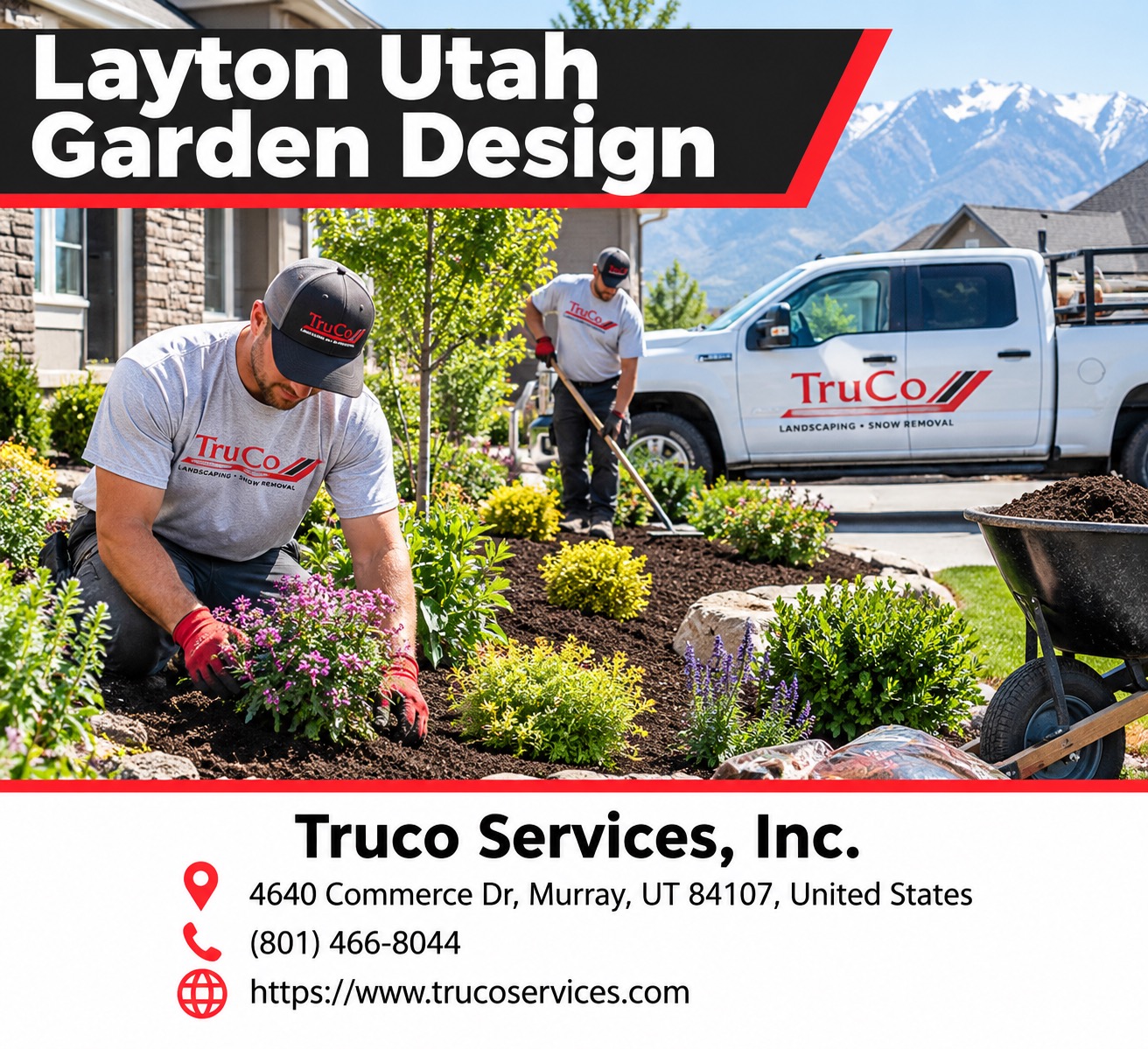
Layton Utah Garden Design: Transform Your Outdoor Space with Beautiful, Functional Landscaping
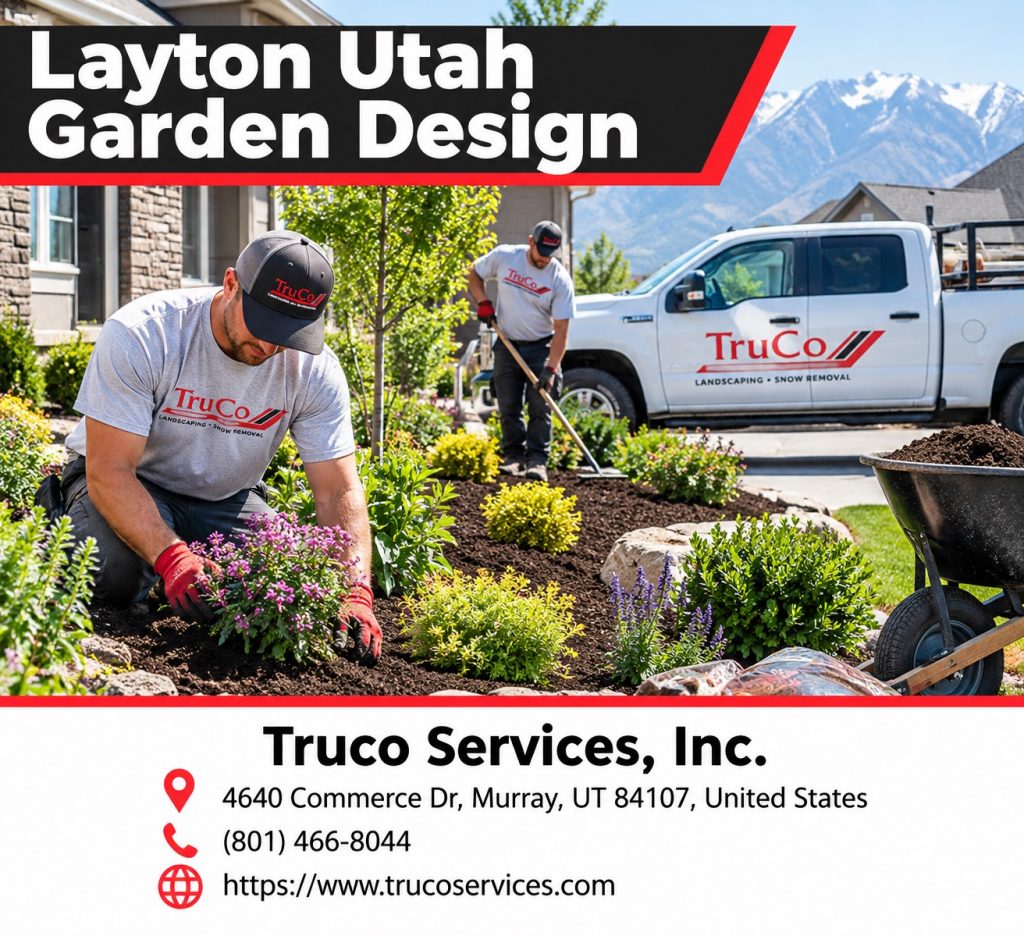
A thoughtfully designed garden can transform an ordinary yard into a beautiful, inviting outdoor living space. For homeowners and property owners searching for Layton Utah Garden Design, the goal is often to create a landscape that combines attractive plants, practical layouts, seasonal color, and easy maintenance while complementing the unique climate and surroundings of Northern Utah.
Layton offers a wonderful setting for outdoor living, with views of the Wasatch Mountains, established residential neighborhoods, and opportunities to create gardens that reflect a wide range of architectural styles. However, successful garden design requires more than choosing attractive flowers and shrubs. It involves understanding local growing conditions, managing water efficiently, selecting suitable plants, planning pathways and gathering spaces, and creating a landscape that remains attractive throughout the changing seasons.
Whether you want to redesign an existing garden, create a welcoming front yard, install a colorful backyard retreat, or develop a complete landscape plan for a new property, a carefully considered design can help you make the most of your outdoor space.
Truco Services, Inc. is a company Layton property owners can contact to discuss their landscaping needs and determine whether its garden design and related landscape services are suitable for their projects. With the right planning and a clear vision, your outdoor space can become a valuable extension of your home or commercial property
Understanding Garden Design in Layton, Utah
Garden design is the process of organizing plants, outdoor features, pathways, and functional spaces into a cohesive landscape. A successful design balances appearance with practical considerations such as maintenance, irrigation, sunlight, drainage, and long-term plant growth.
In Layton, garden design should account for Northern Utah’s seasonal temperature changes, relatively dry summers, cold winters, and varying soil conditions. Properties can differ considerably in sunlight exposure, slope, wind exposure, and soil drainage, so the most effective design is one tailored to the individual site.
A well-planned garden may include:
-
Trees and shrubs that provide structure, shade, and visual interest.
-
Flower beds that introduce color and seasonal variety.
-
Native and regionally adapted plants that suit local conditions.
-
Walkways that improve access and connect outdoor areas.
-
Decorative stone, mulch, and landscape borders.
-
Irrigation systems designed to distribute water efficiently.
-
Outdoor seating and entertaining areas.
-
Lawn areas where grass serves a useful purpose.
-
Lighting that highlights selected features and improves nighttime visibility.
The objective is to create an outdoor environment that looks attractive while functioning well for the people who use it.
If you need related articles, see the following:
Layton Utah Landscape Designer
Layton Utah Landscaping Design
Layton Utah Landscaping Companies
Why Professional Garden Design Matters in Layton
A garden may look appealing when it is first installed, but its long-term success depends on decisions made during the planning stage. Plants that grow too large, poorly placed irrigation lines, crowded planting beds, and inadequate drainage can create unnecessary costs and maintenance challenges.
Professional garden planning helps address these issues before installation begins.
1. Designing for Layton’s Climate
Northern Utah experiences hot, dry periods during summer and freezing temperatures during winter. Garden plants must be selected according to their ability to tolerate the site’s seasonal conditions.
A well-designed garden can combine trees, shrubs, flowering perennials, ornamental grasses, and ground covers that are appropriate for the local climate and the property’s specific conditions.
Plant selection should consider winter hardiness, summer heat tolerance, sun exposure, soil characteristics, and water requirements. Plants suited to one part of the yard may not thrive in another, particularly where buildings create shade or wind exposure differs.
2. Making Better Use of Available Space
Not every property has the same layout. Some yards have large open lawns, while others feature narrow side yards, sloping ground, small courtyards, or limited planting areas.
Garden design helps determine how each space can be used effectively. A compact yard might benefit from layered planting, curved borders, and a small seating area. A larger property might accommodate specimen trees, multiple garden beds, a lawn, and distinct areas for entertaining or relaxation.
The best design makes the yard feel organized without overcrowding it.
3. Improving Curb Appeal
The front garden often shapes a visitor’s first impression of a property. Thoughtful planting, clean edging, balanced proportions, and an attractive entrance can help a home appear welcoming and well maintained.
A coordinated front-yard design might combine foundation shrubs, seasonal flowers, ornamental grasses, decorative rock, and a clearly defined path to the entrance.
Plant height and spacing are important. Large shrubs can overwhelm a small entrance, while plants that are too small may struggle to create a balanced appearance in a broad front yard.
4. Supporting Water Efficiency
Water management is a major consideration for gardens in Utah. Choosing plants suited to local conditions and grouping plants with similar watering needs can help avoid unnecessary irrigation.
A water-conscious design may incorporate drought-tolerant plants, suitable mulch, drip irrigation for planting beds, and efficient sprinkler systems for lawn areas.
Water-efficient landscaping does not mean every garden must be dry or dominated by rocks. It means using water thoughtfully and matching plant choices to the property’s conditions.
5. Reducing Long-Term Maintenance
A garden should be designed around the amount of time and effort its owner can reasonably devote to upkeep.
Some homeowners enjoy pruning, deadheading flowers, and tending vegetable beds. Others prefer a simpler landscape with fewer demanding plants and more permanent structural features.
A suitable design can reduce avoidable maintenance by allowing enough room for mature plants, choosing appropriate species, planning accessible planting beds, and limiting unnecessary lawn areas.
1. Garden Styles That Work Beautifully in Layton
Water-Wise Garden Design
Combine regionally adapted plants, decorative stone, mulch, and efficient irrigation to create an attractive garden with sensible water requirements. This approach is particularly useful for homeowners who want to reduce unnecessary watering without sacrificing visual interest.
Traditional Flower Gardens
Create a welcoming landscape with colorful perennials, flowering shrubs, evergreen structure, and carefully arranged planting beds. Selecting plants with different bloom periods can provide seasonal interest from spring through fall.
Modern Garden Design
Use clean lines, repeated plant groupings, restrained color palettes, and simple hardscape materials to create a contemporary appearance. This style works well when the design complements the home’s architecture.
Outdoor Living Gardens
Integrate patios, seating areas, shade trees, planting beds, and pathways to make the yard more useful for entertaining, relaxing, and spending time outdoors.
2. Choosing Plants for a Successful Layton Garden
Plant selection is one of the most important decisions in any garden design project. Attractive plants must also be suited to the soil, sunlight, water availability, and winter temperatures of the property.
Consider these planting categories when developing a garden plan:
-
Trees: Select species for shade, seasonal color, and appropriate mature size. Consider root growth and distance from buildings, utilities, and paved surfaces.
-
Evergreen shrubs: Provide year-round structure and help maintain visual interest during winter.
-
Flowering perennials: Return year after year when properly selected and maintained, reducing the need to replant annual flowers throughout the garden.
-
Ornamental grasses: Add movement, texture, and architectural interest.
-
Ground covers: Fill suitable spaces between larger plants and help reduce exposed soil.
-
Native and regionally adapted plants: Offer options suited to local environmental conditions when matched to the specific site.
A successful planting design also considers plant spacing. Young shrubs and trees may appear small at installation, but their mature size determines how much room they will eventually need. Appropriate spacing improves airflow, reduces crowding, and limits the need for excessive pruning.
For additional guidance on plant selection, property owners can consult Utah State University Extension and its resources on Utah gardening and water-wise landscaping.
3. Garden Design Features That Improve Everyday Enjoyment
A beautiful garden should also be convenient and comfortable to use. Adding the right features can turn a simple yard into a functional outdoor environment.
Pathways and Garden Borders
Pathways connect different parts of the garden and make it easier to reach planting beds, seating areas, sheds, and entrances. Stone, pavers, gravel, and concrete can all be appropriate materials depending on the design.
Clearly defined borders separate lawns from planting areas and create a more finished appearance. Edging materials should complement the property’s style and be installed with consideration for drainage and maintenance.
Garden Lighting
Outdoor lighting highlights attractive landscape features and improves visibility after dark. Options include pathway lights, selected tree uplighting, entrance lighting, and illumination around outdoor seating areas.
Lighting should be positioned to avoid excessive glare and unnecessary light spill. Weather-resistant equipment and appropriate electrical installation are essential.
Raised Garden Beds
Raised beds can create organized spaces for flowers, herbs, and vegetables. They can also make planting easier to manage and help separate edible gardens from ornamental areas.
Successful raised-bed planning considers sunlight, access to water, soil quality, drainage, and enough room to move around the beds comfortably.
Privacy Planting
Trees, shrubs, and strategically placed planting screens can help define outdoor spaces and soften views between neighboring properties.
Privacy planting should account for mature height, seasonal foliage, maintenance requirements, and proximity to property boundaries. Where local rules or neighborhood restrictions apply, these should be checked before installation.
4. Water-Wise Garden Planning in Layton
Water efficiency deserves special attention when designing a garden in Northern Utah. A thoughtful design can balance color, plant diversity, and outdoor comfort with responsible irrigation.
Useful strategies include:
-
Group plants with similar watering needs together.
-
Choose species that tolerate local climate conditions.
-
Use drip irrigation in suitable planting beds.
-
Apply mulch at an appropriate depth around plants.
-
Reduce lawn in areas where grass offers little practical benefit.
-
Inspect irrigation equipment for leaks and uneven coverage.
-
Adjust watering schedules according to weather, soil, and plant requirements.
Before making major landscape changes, check current Layton City requirements and any applicable homeowners association rules. Local water-wise landscaping guidance can affect which plants, materials, and irrigation arrangements are appropriate for particular projects.
5. Why Choose Truco Services, Inc. for Your Garden Project?
Truco Services, Inc. offers landscaping services and describes garden design among its landscape-planning capabilities. Its service information includes residential and commercial landscaping, hardscape design, outdoor living features, lighting, and related landscape improvements.
For property owners planning a garden in Layton, contacting Truco Services can be a useful first step toward determining the scope of a project and exploring suitable landscaping options.
Consider discussing these priorities with the company:
-
Your vision: Explain whether you want a colorful flower garden, a water-wise yard, a more modern landscape, or a complete outdoor renovation.
-
Your budget: Establish a realistic budget and ask which improvements can be completed within it.
-
Your maintenance preferences: Explain how much time you want to spend watering, pruning, weeding, and caring for plants.
-
Your property conditions: Discuss sunlight, drainage, soil, slopes, existing trees, and other features that may influence the design.
-
Your project scope: Confirm whether the company can provide the specific design, installation, irrigation, hardscape, or maintenance services you need in Layton.
A written proposal should identify the work included, materials, expected schedule, pricing, and any exclusions. Confirm current service availability in Layton before making arrangements.
6. Frequently Asked Questions About Layton Utah Garden Design
How much does garden design cost in Layton?
The cost depends on the garden’s size, design complexity, plant selection, irrigation requirements, hardscaping, site preparation, and installation work. Request an estimate based on your property and desired scope.
When should I plan a new garden?
Spring and fall can be suitable planting seasons for many species, but timing depends on the plants selected, soil conditions, and weather. Starting the design process early gives you time to plan materials and installation.
Can I have a colorful garden that uses less water?
Yes. A combination of suitable flowering perennials, ornamental grasses, regionally adapted shrubs, mulch, and efficient irrigation can create a colorful garden while managing water use.
Does Truco Services work in Layton, Utah?
Truco Services is based in Murray, Utah, and offers landscaping services. Contact the company directly to confirm current availability for your Layton property and the specific garden design services you require.
Contact Truco Services, Inc.
Truco Services, Inc.
Address: 4640 Commerce Dr, Murray, UT 84107, United States
Contact number: (801) 466-8044
Website: https://www.trucoservices.com
Visit Truco Services Website
Conclusion
Great garden design combines beauty, practicality, and thoughtful planning. For homeowners seeking Layton Utah Garden Design, the right combination of plants, garden beds, pathways, lighting, and water-efficient landscaping can create an outdoor space that looks attractive and remains manageable over time.
By accounting for Layton’s seasonal climate, selecting appropriate plants, and planning for mature growth and irrigation needs, you can develop a garden that complements your property and supports the way you want to use your outdoor space.
Contact Truco Services, Inc. at (801) 466-8044 or visit www.trucoservices.com to discuss your landscaping goals, confirm service availability in Layton, and ask about options for your garden project.

Comments are closed.