

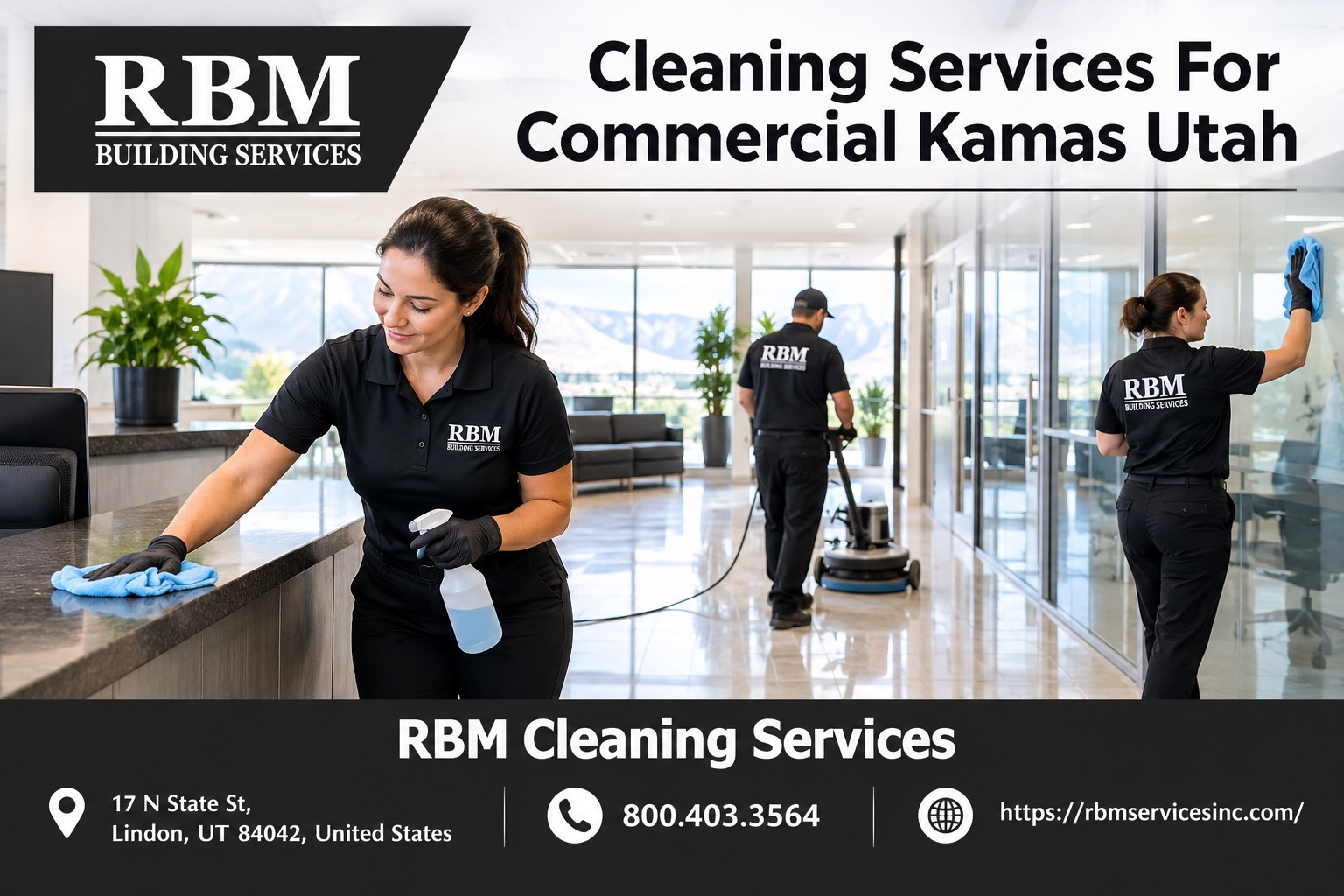
Cleaning Services For Commercial Kamas Utah: Professional Cleaning Solutions for Local Businesses
Introduction to Commercial Cleaning Services in Kamas, Utah
Maintaining a clean and professional business environment is essential for companies of every size. From offices and retail establishments to hospitality facilities, professional buildings, and other commercial properties, cleanliness influences how customers perceive a business, how employees experience their workplace, and how effectively a facility can be maintained.
For businesses searching for Cleaning Services For Commercial Kamas Utah, choosing a dependable commercial cleaning provider is an important step toward creating a healthier, more welcoming, and more organized workplace.
Kamas, Utah, is a growing community in Summit County with businesses that serve local residents, visitors, and the surrounding mountain communities. Commercial properties in this area may include professional offices, retail stores, restaurants, lodging facilities, service businesses, and other workplaces that need consistent cleaning to maintain their appearance and daily operations.
The local environment can also create specific cleaning challenges. Seasonal weather may bring mud, snow, moisture, and debris into buildings, while busy periods can increase the accumulation of dirt on floors, fingerprints on glass, and waste in shared spaces. Regular professional cleaning helps businesses manage these challenges while maintaining an inviting environment.
RBM Cleaning Services provides a contact point for businesses seeking commercial cleaning solutions. Whether your organization needs routine office cleaning, assistance maintaining common areas, or a customized cleaning schedule, discussing your requirements with a professional provider can help you determine an appropriate approach.
RBM Cleaning Services
- Address: 17 N State St, Lindon, UT 84042, United States
- Phone: 800.403.3564
- Website: https://rbmservicesinc.com/
If your company is looking for commercial cleaning services in Kamas, understanding your facility’s needs and selecting a suitable cleaning plan can help protect your investment, support your employees, and present a professional image to everyone who visits your business.
What Are Commercial Cleaning Services?
Commercial cleaning services involve the routine and specialized cleaning of workplaces and business facilities. Unlike residential cleaning, commercial cleaning must account for business operating hours, employee traffic, public access, facility-specific requirements, and the need to minimize disruption to daily operations.
A commercial cleaning plan may cover offices, reception areas, meeting rooms, restrooms, break rooms, corridors, entryways, floors, and other shared spaces. Depending on the provider and agreed scope of work, services may also include detailed floor care, interior glass cleaning, high-touch surface disinfection, and periodic deep cleaning.
Every commercial property has different requirements. A small professional office may need regular dusting, vacuuming, restroom cleaning, and waste removal. A busy retail store may require more frequent attention to entrance floors, display areas, and customer-accessible surfaces. A hospitality facility may need a cleaning schedule that accommodates changing occupancy and high standards of presentation.
The objective is to create a cleaning program that matches the building’s layout, level of use, operational schedule, and hygiene priorities.
Why Kamas Businesses Need Professional Commercial Cleaning
A clean business environment is more than a cosmetic benefit. It supports daily operations, helps protect building materials, and creates a more positive experience for employees and customers.
1. Making a Strong First Impression
Customers often begin forming opinions about a business as soon as they enter the building. Dirty floors, overflowing waste bins, dusty furniture, unpleasant odors, and neglected restrooms can create a negative impression.
Conversely, clean floors, clear walkways, tidy reception areas, and well-maintained restrooms communicate attention to detail.
For Kamas businesses that welcome customers, clients, guests, or visitors, maintaining an attractive interior can reinforce the professional image they want to present.
2. Supporting a Healthier Workplace
Offices and commercial buildings contain frequently touched surfaces, including door handles, switches, counters, shared equipment, and restroom fixtures. These surfaces can accumulate dirt and microorganisms through normal use.
Regular cleaning removes soil and debris, while appropriate disinfection can help reduce microorganisms on selected surfaces when performed according to product directions and facility requirements.
Cleaning and disinfection are not identical. Cleaning physically removes dirt and many germs, while disinfecting uses suitable products to inactivate specified microorganisms. The appropriate approach depends on the surface, the setting, and the cleaning objective.
A well-planned cleaning routine can support workplace hygiene, although it cannot eliminate every health risk or guarantee that illness will be prevented.
3. Improving Employee Comfort
Employees spend a substantial portion of their day at work. Clean floors, orderly shared areas, maintained restrooms, and uncluttered workspaces can make the environment more comfortable and pleasant.
When routine cleaning is handled consistently, employees may also spend less time dealing with overflowing bins, dirty communal surfaces, and neglected facilities.
Professional cleaning helps businesses establish clear expectations for workplace cleanliness without relying entirely on employees to manage every shared space themselves.
4. Protecting Floors, Fixtures, and Furniture
Dust, grit, moisture, and other debris can gradually damage commercial flooring, furniture, and interior finishes.
For example, abrasive particles tracked in from outside can contribute to wear on hard floors and carpet fibers. Moisture left on unsuitable surfaces can create staining or other damage, while neglected spills may become more difficult to remove over time.
Routine cleaning helps remove these contaminants before they cause unnecessary deterioration. Appropriate floor care and timely attention to spills can also support the long-term appearance of the facility.
5. Maintaining Consistent Business Standards
Different businesses have different cleanliness expectations. A professional office may prioritize meeting rooms and reception areas, while a retail facility may focus on customer walkways, entrances, and display surfaces.
A scheduled commercial cleaning program establishes recurring tasks and helps reduce the likelihood that important areas will be overlooked.
By identifying the spaces that need the most attention, businesses can create a consistent standard that supports their operational goals.
If you need related articles, see the following:
Cleaning Services For Commercial Fillmore Utah
Cleaning Services For Commercial Salina Utah
Cleaning Services For Commercial Erda Utah
Commercial Cleaning Services Available for Kamas Businesses
A comprehensive commercial cleaning plan may involve several services, depending on the type of facility and the level of use.
Office Cleaning and Janitorial Services
Office cleaning helps maintain professional workspaces for employees, customers, and visitors. Typical tasks may include:
- Dusting desks, shelves, and accessible furniture
- Cleaning reception counters and conference tables
- Vacuuming carpets and rugs
- Sweeping and mopping hard floors
- Emptying wastebaskets and replacing liners as agreed
- Cleaning glass doors and interior partitions
- Wiping frequently touched surfaces
- Cleaning shared kitchens and break rooms
- Maintaining restrooms and common areas
The frequency of each task depends on the number of occupants, business hours, and how quickly different areas become dirty.
For example, a busy reception area may require daily attention, while some less frequently used storage spaces may need only periodic cleaning.
Commercial Restroom Cleaning
Restrooms are among the most important areas to include in a commercial cleaning schedule. Employees and visitors expect these spaces to be clean, supplied, and properly maintained.
A restroom cleaning plan may include cleaning and disinfecting appropriate fixtures, wiping counters and sinks, cleaning mirrors, mopping floors, emptying waste containers, and checking soap and paper supplies.
Odor management is also important. Persistent odors may indicate that an area needs more thorough cleaning or that a plumbing or ventilation problem requires separate attention.
The cleaning provider and business should agree on supply responsibilities, inspection frequency, and procedures for reporting maintenance issues.
Break Room and Kitchen Cleaning
Shared kitchens and break rooms can accumulate food residue, crumbs, grease, and waste throughout the workday.
Regular cleaning may include wiping counters, cleaning sinks, removing waste, cleaning appropriate appliance exteriors, and maintaining floors and tables. Food-contact surfaces require suitable products and methods consistent with applicable food safety requirements.
Businesses should establish clear rules for dishes, refrigerators, personal food storage, and spills so that professional cleaning and employee housekeeping work together.
Commercial Floor Cleaning
Floors receive substantial wear in many commercial buildings. Dirt tracked in from parking areas, entryways, and outdoor walkways can spread throughout the facility.
Different flooring materials require different cleaning methods.
- Carpet: Regular vacuuming helps remove loose dirt, while periodic deep cleaning may address embedded soil and selected stains.
- Tile: Routine cleaning removes surface debris, while periodic grout cleaning may help restore the appearance of heavily soiled areas.
- Vinyl and resilient flooring: Appropriate cleaners help maintain the surface without damaging protective finishes.
- Concrete: Commercially suitable equipment and cleaning products may be needed to remove accumulated dirt and residue.
- Natural stone: Cleaning products must be compatible with the specific stone to avoid etching, discoloration, or surface damage.
A floor maintenance schedule should reflect traffic levels, the material’s condition, manufacturer recommendations, and the property’s operational requirements.
Interior Glass and Window Cleaning
Clean glass can improve the appearance of reception areas, offices, meeting rooms, and customer-facing spaces.
Fingerprints, dust, water spots, and other marks are particularly noticeable on glass doors and partitions. Regular attention can keep these areas looking professional.
The appropriate schedule depends on the location of the glass, exposure to dirt, and how prominently it features in the business environment. Exterior windows and work at height may require specialized equipment and separately arranged services.
High-Touch Surface Cleaning
Door handles, light switches, shared keyboards, counters, railings, and restroom fixtures can accumulate dirt through frequent use.
The Centers for Disease Control and Prevention recommends regularly cleaning high-touch surfaces and cleaning other surfaces when visibly dirty. In many ordinary community settings, routine cleaning is sufficient, while disinfection may be appropriate in particular circumstances, such as when someone has been ill. <Cite refs={[“turn444269search0”]}/>
A commercial cleaning program should identify important high-touch areas and establish an appropriate schedule. When disinfection is needed, the products must be suitable for the surface and used according to their labels.
Deep Cleaning and Periodic Maintenance
Routine cleaning keeps a facility presentable, but some areas need additional attention from time to time.
Depending on the agreed service scope, periodic deep cleaning may involve detailed cleaning of baseboards, corners, accessible vents, neglected surfaces, difficult-to-reach areas, and heavily soiled floors.
Businesses may schedule these services seasonally, before an important event, after a particularly busy period, or when a facility needs a more thorough reset.
Deep cleaning should complement routine maintenance rather than replace it.
Cleaning After Renovations or Construction
Construction and renovation projects can leave behind fine dust, adhesive residue, packaging, and other debris. A newly renovated commercial space may require a dedicated cleanup before normal operations resume.
Post-construction cleaning should be planned according to the materials involved, the condition of the site, and the hazards that may be present. Specialized debris, hazardous materials, and work requiring specific certifications should be handled by appropriately qualified professionals.
Ask the cleaning provider whether post-construction services are available and whether they fall within its capabilities.
Commercial Cleaning for Different Industries in Kamas
Different industries need different cleaning priorities. A tailored plan helps ensure that the most important areas receive appropriate attention.
Professional Offices
Law offices, consulting firms, accounting offices, and other professional workplaces benefit from clean reception areas, conference rooms, desks, restrooms, and shared spaces.
After-hours cleaning may be suitable for businesses that need quiet during appointments or confidential work. The cleaning plan should also establish how staff access the building and how sensitive documents, equipment, and personal belongings are protected.
Retail Stores and Customer-Facing Businesses
Retail environments need attractive floors, clean displays, tidy checkout counters, and welcoming entrances.
High-traffic entrances may require more frequent cleaning, especially during wet or snowy weather. Maintaining these areas helps improve the customer experience and reduces the accumulation of dirt throughout the building.
Restaurants and Food Service Businesses
Food service facilities have specialized hygiene requirements that extend beyond general janitorial cleaning.
Cleaning must be coordinated with food safety procedures, suitable chemicals, equipment requirements, and applicable regulations. Food-contact surfaces and food preparation areas require methods appropriate to their specific uses.
Businesses should confirm that any provider has the appropriate capabilities and understands the facility’s requirements before assigning regulated or specialized cleaning tasks.
Lodging and Hospitality Facilities
Kamas and the surrounding mountain communities attract visitors for outdoor recreation and seasonal travel. Lodging and hospitality properties may experience fluctuations in occupancy, creating variable cleaning demands.
Guest-facing reception areas, staff facilities, corridors, and other shared spaces can benefit from a planned cleaning schedule. Guestroom turnover, laundry, and other specialized hospitality tasks should be separately discussed to ensure responsibilities are clear.
Property Management and Multi-Tenant Buildings
Property managers must maintain common areas while coordinating the needs of multiple occupants.
Cleaning priorities may include shared entrances, corridors, stairways, restrooms, lobbies, and other spaces used by tenants and visitors. A written schedule can clarify which areas are included, how often they are cleaned, and who should be contacted about spills or maintenance concerns.
Schools, Community Facilities, and Other Workplaces
Facilities used by groups of people often need consistent attention to shared surfaces, restrooms, floors, and common areas.
The schedule should reflect occupancy, age groups, facility policies, and any applicable safety or regulatory requirements. Specialized environments may require procedures beyond those used for ordinary offices.
Seasonal Commercial Cleaning Challenges in Kamas, Utah
Kamas experiences seasonal weather that can affect how quickly commercial buildings become dirty. A cleaning plan that adjusts to changing conditions can help businesses maintain their facilities throughout the year.
Winter: Snow, Salt, and Moisture
Snow and moisture can be tracked inside on footwear, while deicing materials and grit may accumulate around entryways.
Businesses can help control these problems by using appropriate entrance mats, promptly addressing wet floors, and arranging more frequent cleaning when conditions demand it. Wet-floor warning signs and suitable procedures are important when cleaning creates temporary slip hazards.
Spring: Mud and Debris
As winter conditions recede, entrances and walkways may collect mud, dust, and debris. Increased attention to entry mats, floors, and interior corners can help maintain the building’s appearance.
Summer: Dust and Increased Activity
Outdoor recreation and increased visitor activity can mean more foot traffic in some commercial properties. Regular vacuuming, floor cleaning, and restroom maintenance can help businesses respond to changing use.
Fall: Leaves and Seasonal Preparation
Leaves and outdoor debris may accumulate around entrances, while changing weather can increase the amount of dirt brought indoors. Businesses can review their cleaning schedules in advance of winter and identify areas that need extra attention.
The most effective approach is to adjust the frequency of cleaning according to actual conditions rather than assuming that every season requires exactly the same schedule.
How Often Should a Commercial Property Be Cleaned?
The right frequency depends on the building’s use, occupancy, layout, and cleanliness expectations.
A possible starting point is:
| Area or task | Potential schedule |
|---|---|
| Busy reception and entrance areas | Daily or more often as needed |
| Restrooms | Daily or according to occupancy and requirements |
| High-touch surfaces | Regularly, with frequency based on use and risk |
| Office floors and work areas | Daily or several times per week |
| Break rooms and shared kitchens | Daily or according to use |
| Interior glass | Weekly or periodically, depending on visible marks |
| Carpet deep cleaning | Periodically, based on traffic and condition |
| Detailed baseboard and corner cleaning | On a scheduled periodic basis |
These are planning examples, not universal standards. Facilities with specialized hygiene requirements may need different procedures. A cleaning provider should help establish an appropriate schedule after considering the property and its needs.
How to Choose a Commercial Cleaning Company in Kamas, Utah
Selecting a cleaning provider requires more than comparing prices. The right service arrangement should meet your facility’s requirements and establish clear expectations.
Define Your Cleaning Requirements
Make a list of the spaces that need attention and the tasks you expect to be completed. Identify areas that require special products, careful handling, or restricted access.
A clear scope makes it easier to compare proposals fairly.
Ask About Service Availability
Not every cleaning company serves every community or offers every type of commercial cleaning. Confirm that the provider can service your Kamas property and ask whether the desired schedule is available.
This is especially important when you need early-morning, evening, weekend, or other time-sensitive cleaning.
Review the Scope and Pricing
Ask for a written description of included tasks, service frequency, exclusions, additional charges, and any separately priced specialty work.
The least expensive proposal may not provide the level of cleaning your facility requires. Compare the actual services included rather than looking at price alone.
Discuss Security and Access
Commercial cleaning may involve access to offices, equipment, and private areas outside normal business hours.
Ask how keys, access codes, alarm procedures, and sensitive information will be handled. Establish a process for reporting lost items, damage, maintenance concerns, or unexpected access issues.
Establish Communication and Quality Checks
A cleaning arrangement works best when both parties understand how to report concerns and request adjustments.
Ask how service quality is reviewed, who handles feedback, and how missed tasks are addressed. A checklist or written scope can help both parties understand what completion should look like.
Confirm Appropriate Qualifications
Depending on the nature of the work, you may want to verify insurance, relevant training, safety procedures, and the provider’s ability to handle specific cleaning tasks.
Specialized or regulated facilities may require additional qualifications or procedures.
What Influences Commercial Cleaning Costs in Kamas?
Commercial cleaning prices vary according to the building and the work involved. Important factors may include:
- Total square footage
- Number and type of rooms
- Restroom and kitchen requirements
- Cleaning frequency
- Amount of foot traffic
- Flooring types and condition
- Specialty cleaning requirements
- Accessibility and scheduling restrictions
- Supplies and equipment included in the agreement
A small office requiring a few visits each week will have different needs from a large facility that requires frequent cleaning across many rooms.
To obtain a useful estimate, provide the cleaning company with an accurate description of your facility, your preferred schedule, the required tasks, and any areas needing special attention.
It can also be useful to ask for pricing on periodic deep cleaning separately from recurring janitorial service so that the ongoing budget remains clear.
Why You Should Call RMB Building Services for Commercial Cleaning
When searching for Cleaning Services For Commercial Kamas Utah, businesses should look for a provider that understands their needs, offers a clearly defined scope of work, and can discuss a realistic plan for maintaining the facility.
RMB Building Services is the company name specified for this cleaning-service request, while the supplied business contact details identify RBM Cleaning Services. Before publishing or signing a service agreement, confirm the preferred business name and the services currently available in Kamas.
Here are several reasons to contact the business and discuss your cleaning needs.
1. Discuss a Cleaning Plan That Fits Your Business
Every commercial facility is different. A professional office, retail location, and hospitality property will not necessarily need the same cleaning tasks or schedule.
By explaining your building’s layout, occupancy, and priorities, you can determine whether the company can offer a plan suited to your facility.
2. Identify Important Cleaning Priorities
A cleaning consultation can help you distinguish between everyday maintenance and periodic specialty work.
For example, your business may need routine floor care, regular restroom cleaning, and frequent attention to the entrance, along with occasional deep cleaning of carpets or other surfaces.
Identifying these needs in advance helps establish a practical scope of work.
3. Discuss Scheduling and Business Operations
Cleaning should fit the way your business operates. Some facilities prefer service outside normal business hours, while others may require cleaning during the day.
Contacting the company allows you to ask about available schedules, access arrangements, and ways to reduce disruption to employees and customers.
4. Clarify Costs and Service Expectations
A direct conversation provides an opportunity to discuss your budget, the frequency of service, and the specific tasks that matter most.
Ask for a clear explanation of the proposed work, pricing, exclusions, and any additional charges before approving a service arrangement.
5. Confirm Service Availability in Kamas
Because the supplied business address is in Lindon, Utah, it is important to confirm that commercial cleaning services are currently available at your Kamas location.
Calling before making plans can help establish whether the business can accommodate your property, schedule, and requirements.
Rather than assuming that every service is offered, ask the company to confirm the cleaning tasks it can perform and the terms under which it can provide them.
How to Prepare for Your Commercial Cleaning Consultation
Before contacting a provider, gather a few details about your facility.
- Building size: Estimate the square footage and identify the number of rooms and floors.
- Facility type: Explain whether the property is an office, retail store, hospitality facility, or another commercial space.
- Cleaning frequency: Decide whether you need daily, weekly, or another recurring schedule.
- Priority areas: Identify entrances, restrooms, kitchens, meeting rooms, and other spaces requiring particular attention.
- Special requirements: Mention flooring types, security restrictions, sensitive equipment, or any applicable hygiene standards.
- Budget: Establish an approximate spending range and identify essential services.
- Scheduling: Determine when cleaning can take place without disrupting operations.
Providing these details makes it easier for a cleaning provider to understand the job and determine whether it can meet your requirements.
Frequently Asked Questions About Commercial Cleaning in Kamas
What is included in commercial cleaning?
Commercial cleaning may include dusting, vacuuming, mopping, waste removal, restroom cleaning, break-room maintenance, and cleaning of shared surfaces. Specialty services such as carpet extraction, detailed floor care, and window cleaning may be available separately, depending on the provider.
How often should my business schedule professional cleaning?
The appropriate schedule depends on occupancy, foot traffic, facility type, and cleanliness expectations. Busy public areas and restrooms often need more frequent attention than rooms used occasionally.
Can commercial cleaning be scheduled outside business hours?
Some providers offer evening, early-morning, or weekend cleaning. Ask about availability and agree on access procedures before service begins.
Is commercial cleaning the same as disinfection?
No. Cleaning removes dirt and impurities from surfaces, while disinfection uses appropriate products to inactivate specified microorganisms. The need for disinfection depends on the facility, surface, and circumstances. Follow applicable guidance and product-label instructions. <Cite refs={[“turn444269search0”]}/>
How can my business control cleaning costs?
Clearly define the work, establish a realistic schedule, prioritize high-use areas, and compare proposals based on the actual tasks included. Regular maintenance may also help prevent some dirt buildup and reduce the need for more intensive cleaning.
Does RBM Cleaning Services serve Kamas, Utah?
Service availability should be confirmed directly with the company. Call 800.403.3564 and ask whether the business can provide the required commercial cleaning services at your Kamas property.
Contact RBM Cleaning Services for Commercial Cleaning
A clean commercial facility supports a professional image, creates a more pleasant environment for employees and visitors, and helps maintain floors, fixtures, and shared spaces. For businesses in Kamas, Utah, an effective cleaning program should reflect local seasonal conditions, building usage, and the specific requirements of the industry.
From routine office maintenance and restroom cleaning to floor care and periodic deep cleaning, the key is to establish a clear plan with realistic expectations and a suitable schedule.
If your business is exploring Cleaning Services For Commercial Kamas Utah, contact RBM Cleaning Services to discuss your facility, confirm service availability, and ask about a cleaning arrangement that fits your needs.
RBM Cleaning Services
Address: 17 N State St, Lindon, UT 84042, United States
Phone: 800.403.3564
Website: https://rbmservicesinc.com/
Call today to discuss your commercial cleaning requirements, request information about pricing and scheduling, and determine whether RBM Cleaning Services can support your business in Kamas, Utah.

Comments are closed.